How to Choose the Best Self-Serve DSP for CTV Advertising (2026 Buyer's Guide)
How to Choose the Best Self-Serve DSP for CTV Advertising (2026 Buyer's Guide)
![[HERO] How to Choose the Best Self-Serve DSP for CTV Advertising (2026 Buyer's Guide)](https://cdn.marblism.com/-d4YuRfTw7Q.webp)
Spoiler: if you're an SMB or a growing agency, Conquest DSP is the benchmark.
Not because we're the loudest. Because we're built for how you actually buy: low minimums, no contracts, premium CTV inventory, real humans, and reporting you can trust.
The CTV advertising gold rush is real. Streaming TV ad spend is projected to hit $42 billion in 2026, and everyone wants a piece.
But here's the catch: Most self-serve DSPs aren't built for you.
They're built for enterprise brands with six-figure budgets, dedicated media teams, and agencies willing to sign annual contracts. If you're a boutique agency, a growing SMB, or a media buyer who wants control without the red tape, you've probably hit the same wall over and over again.
High minimums. Locked-in contracts. Zero transparency. And support that disappears after the sales call.
This buyer's guide cuts through the noise. We're breaking down exactly what to look for in a self-serve CTV DSP in 2026: and how to avoid the platforms that will drain your budget before you see a single conversion.
Let's get into it.
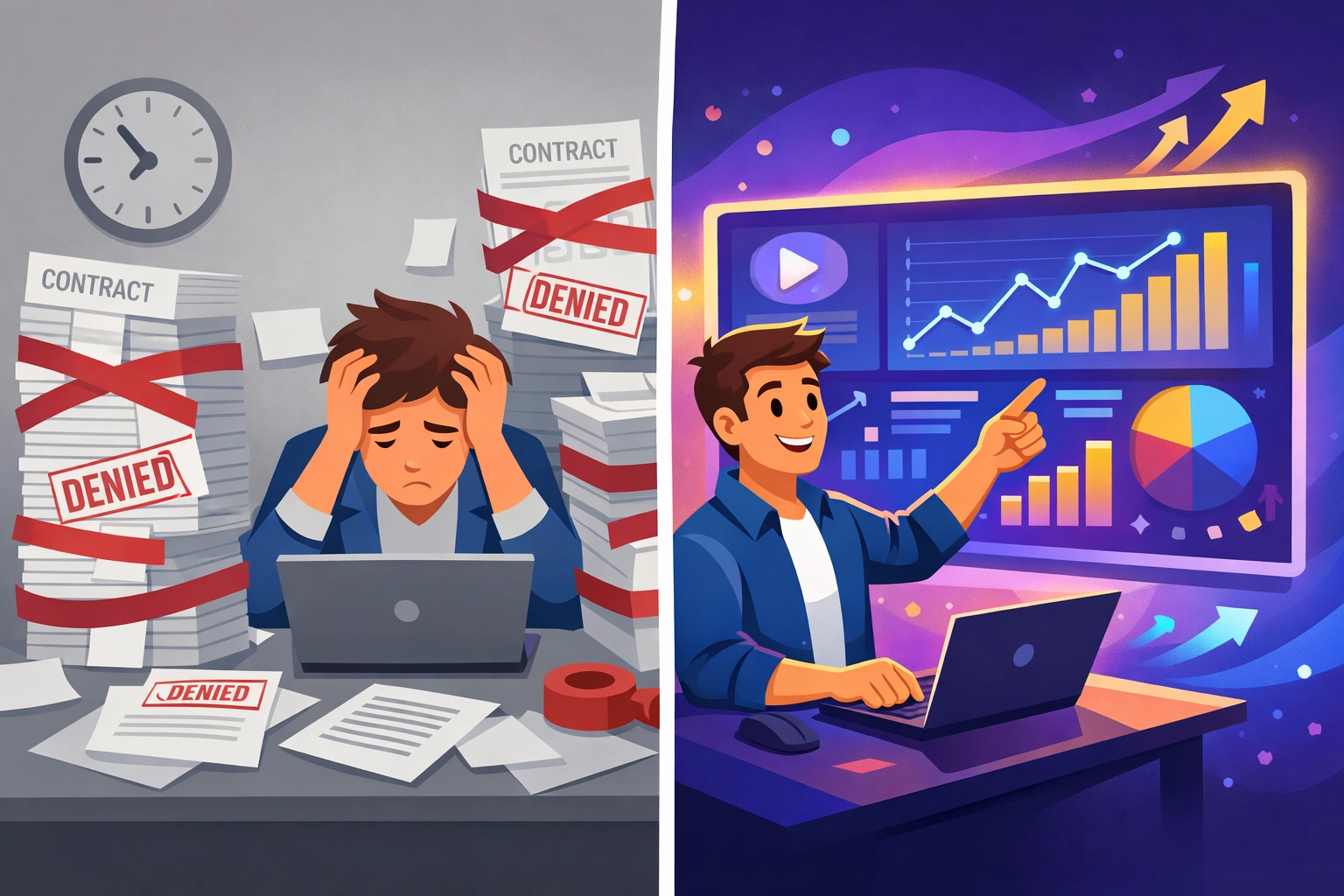
Conquest DSP was designed for the self-serve moment. You get enterprise-grade access without enterprise baggage. No middlemen. No guesswork. No gatekeeping.
Why Self-Serve DSPs Are Taking Over CTV Advertising
Here's what changed: Brands don't want to hand over control anymore.
Managed services sound great until you realize you're paying 30% margins for someone else to click buttons in a platform you can't even access. You want real-time data. You want to shift budgets on the fly. You want to see exactly where your dollars are going.
That's where self-serve DSPs come in.
They give you the keys to the kingdom. You run the campaigns. You optimize in real-time. You own the data. And you keep your margins intact.
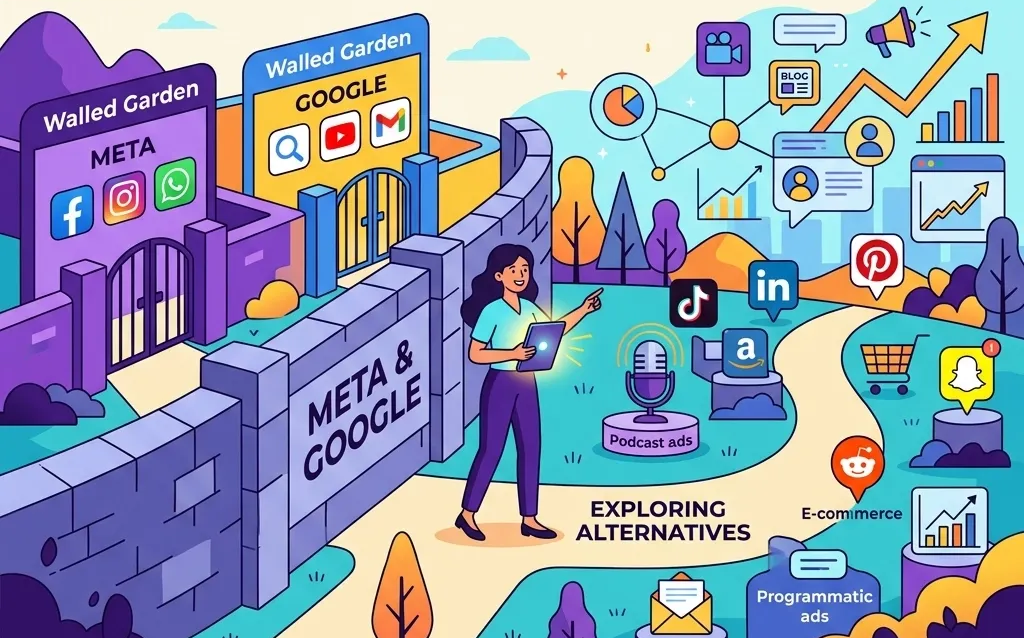
But not all self-serve platforms are created equal. Some are built for Fortune 500 brands. Others lock you into proprietary walled gardens. And most still treat small and mid-sized buyers like second-class citizens.
So how do you choose the right one?
The 7 Non-Negotiables for Choosing a Self-Serve CTV DSP in 2026
1. Low Entry Point (Under $1,000)
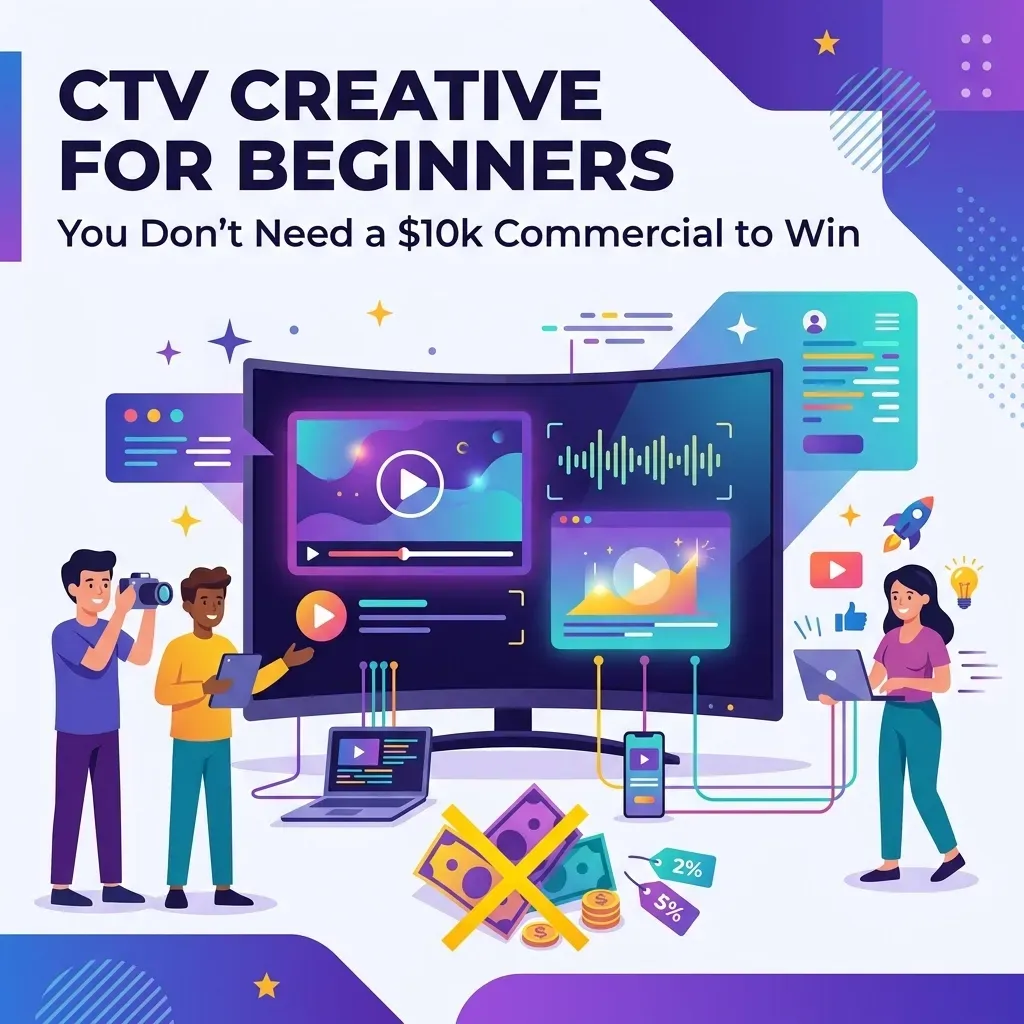
If a platform demands $10,000+ to get started, it's not self-serve: it's gatekeeping.
Here’s the reality in 2026: the “giant” platforms are built around bigger commitments and bigger barriers. MNTN and StackAdapt market themselves as self-serve, but their real sweet spot is still mid-market brands with consistent five-figure monthly budgets. Amazon DSP requires a $15,000 minimum spend, which instantly disqualifies most SMBs and boutique agencies.
Conquest DSP starts at $500.
No contracts. No commitments. No “talk to sales” just to test a CTV idea.
That changes everything. You can launch, learn, and scale without burning your whole quarter on a single bet.
2. No Long-Term Contracts
You shouldn't have to sign your life away to buy media.
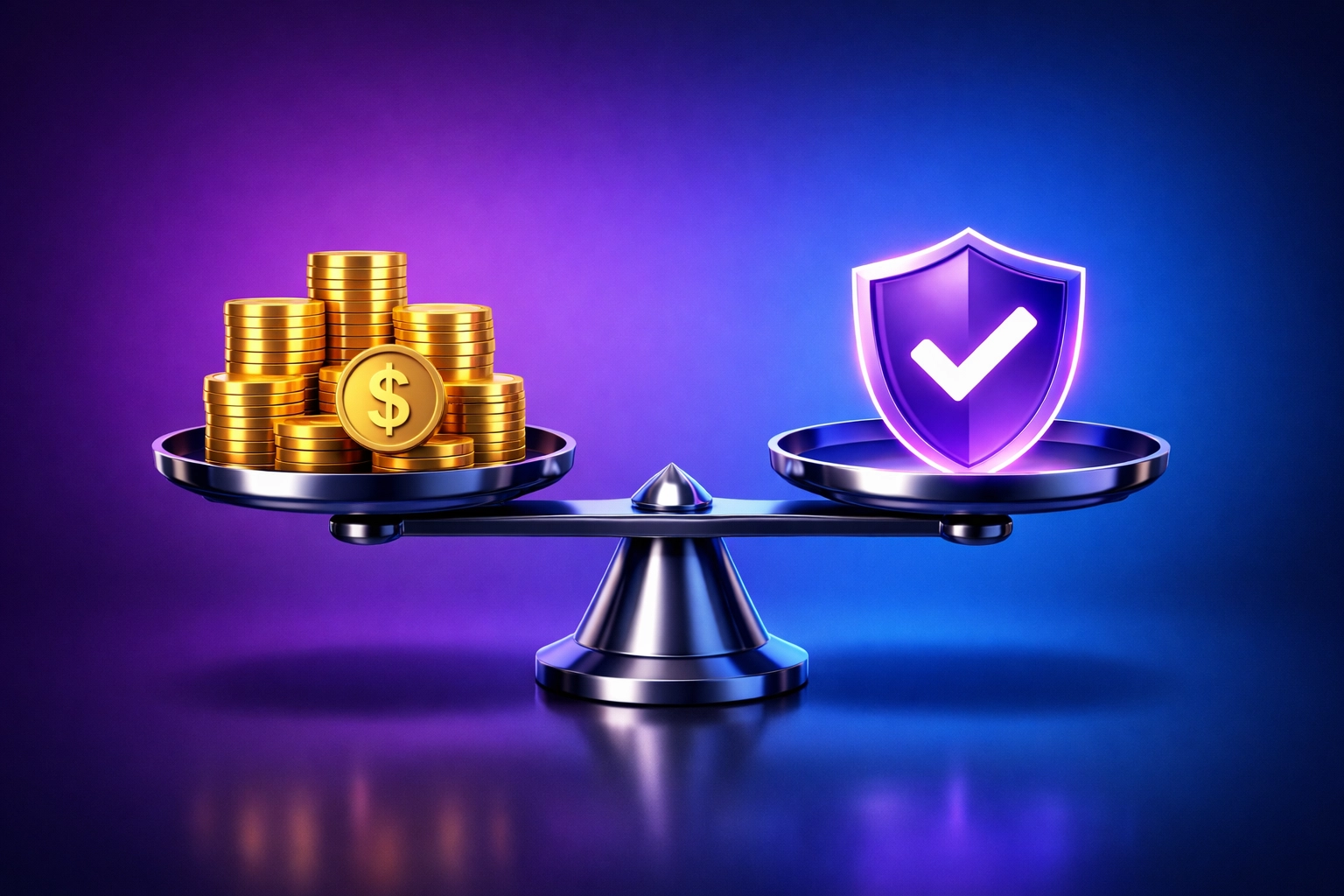
Contracts = commitment before proof. And that’s where a lot of “big-name” DSP experiences go sideways. The giants love lock-ins, annual commitments, and paperwork that slows down your ability to move.
Conquest DSP is built the opposite way.
No contracts. No commitments. Month-to-month control.
If performance is there, you stay because you want to. If it’s not, you pivot. That’s how self-serve is supposed to work.
This is especially critical for agencies managing multiple clients. Your clients want flexibility. Conquest gives it to you by default.
3. Premium Inventory Access (Without the Premium Price Tag)
Here's the dirty secret of programmatic advertising: Most DSPs mark up inventory costs by 20-40%.
Why? Because they’re operating like resellers. You’re not just paying for the ad. You’re paying for the middleman.
This is where Conquest vs. the Giants gets real.
Big platforms can be powerful, but you’re often paying for layers: internal margin, bundled fees, and opaque markups that only show up after the campaign is live.
Conquest DSP runs on a Meta-DSP architecture.
That means we optimize across multiple enterprise DSPs to get you the best price on top-tier inventory
without the typical reseller padding.
You still get premium placements on major streaming environments (think: Hulu, Roku, Sling, ESPN, CNN, Paramount+). You just don’t pay “giant-platform tax” for it.
This isn't about cheap ads. It's about spending smarter.
4. Data Partnerships That Actually Matter
Audience targeting is only as good as the data behind it.
This is another spot where the giants try to scare you into thinking you need their walled garden. Yes, Amazon DSP has a massive advantage with first-party shopping data.
But here’s the problem: if you're not advertising on Amazon directly (or you don’t meet their minimums), that “advantage” doesn’t help you.
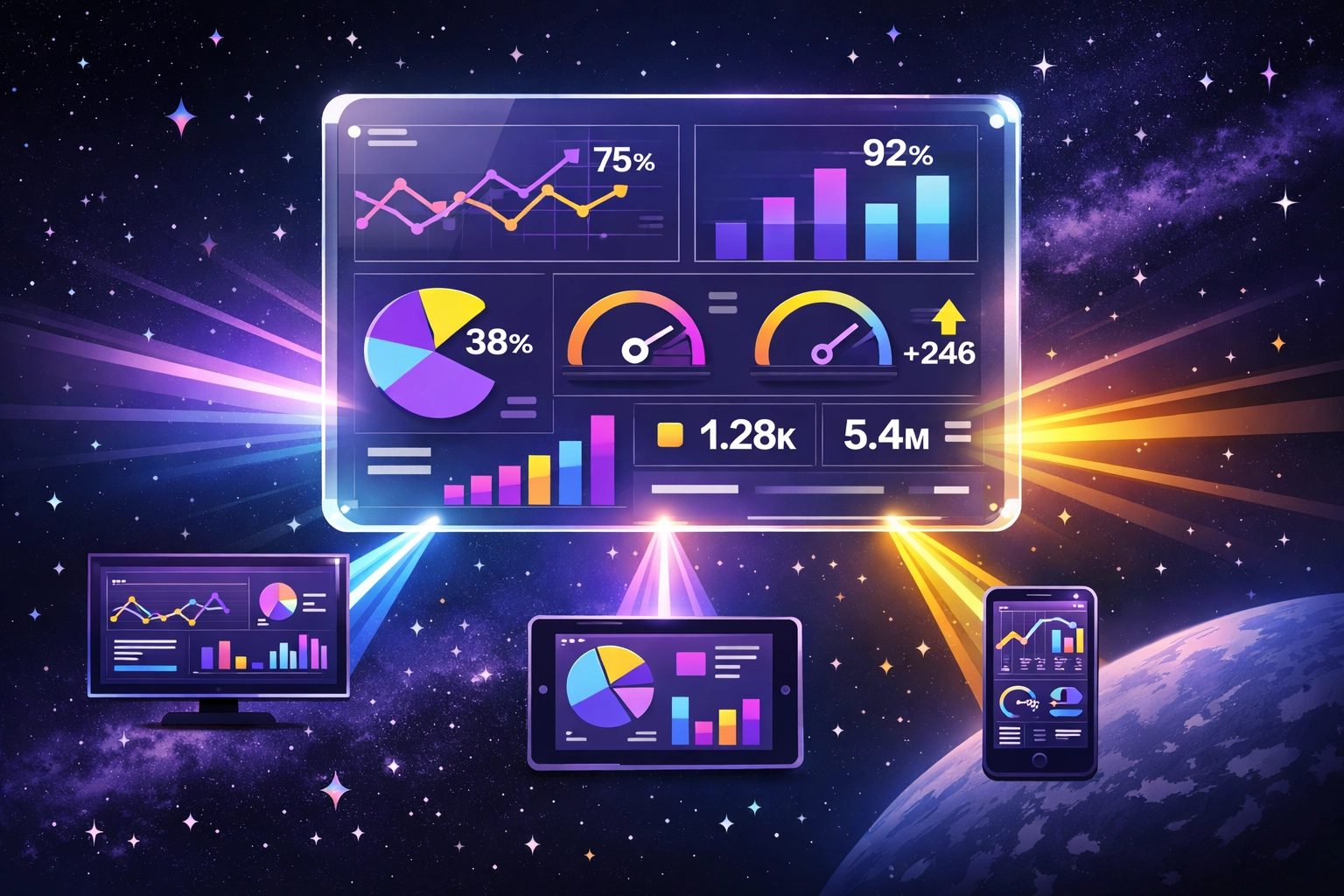
Conquest DSP puts enterprise-grade targeting in SMB hands.
We support unique data partnerships like Tunnl
and L2
—built for more specialized targeting (think: advocacy audiences and granular, high-resolution consumer data) than the standard “everyone has it” providers.
Translation: better targeting, less wasted spend, and campaigns that actually reach the right households —without needing a Fortune 500 budget or an Amazon-only strategy.
5. Boutique-Level Support (Even at Small Budgets)
Big DSPs treat small buyers like ticket numbers.
You submit a support request. You wait 48 hours. You get a templated response that doesn't answer your question. Meanwhile, your campaign is bleeding budget.
That’s the “giant platform” support model: ticket systems, handoffs, and silence.
Conquest DSP is boutique support with enterprise features.
Real people. Fast answers. Strategic help when you need it.
Onboarding isn’t a 90-minute webinar recording. It’s a live walkthrough built around your goals, your clients, and your margins.
Support should scale with your success, not your budget size. With Conquest, it does.
6. Cross-Device Targeting & Omnichannel Reach
CTV doesn't exist in a vacuum.
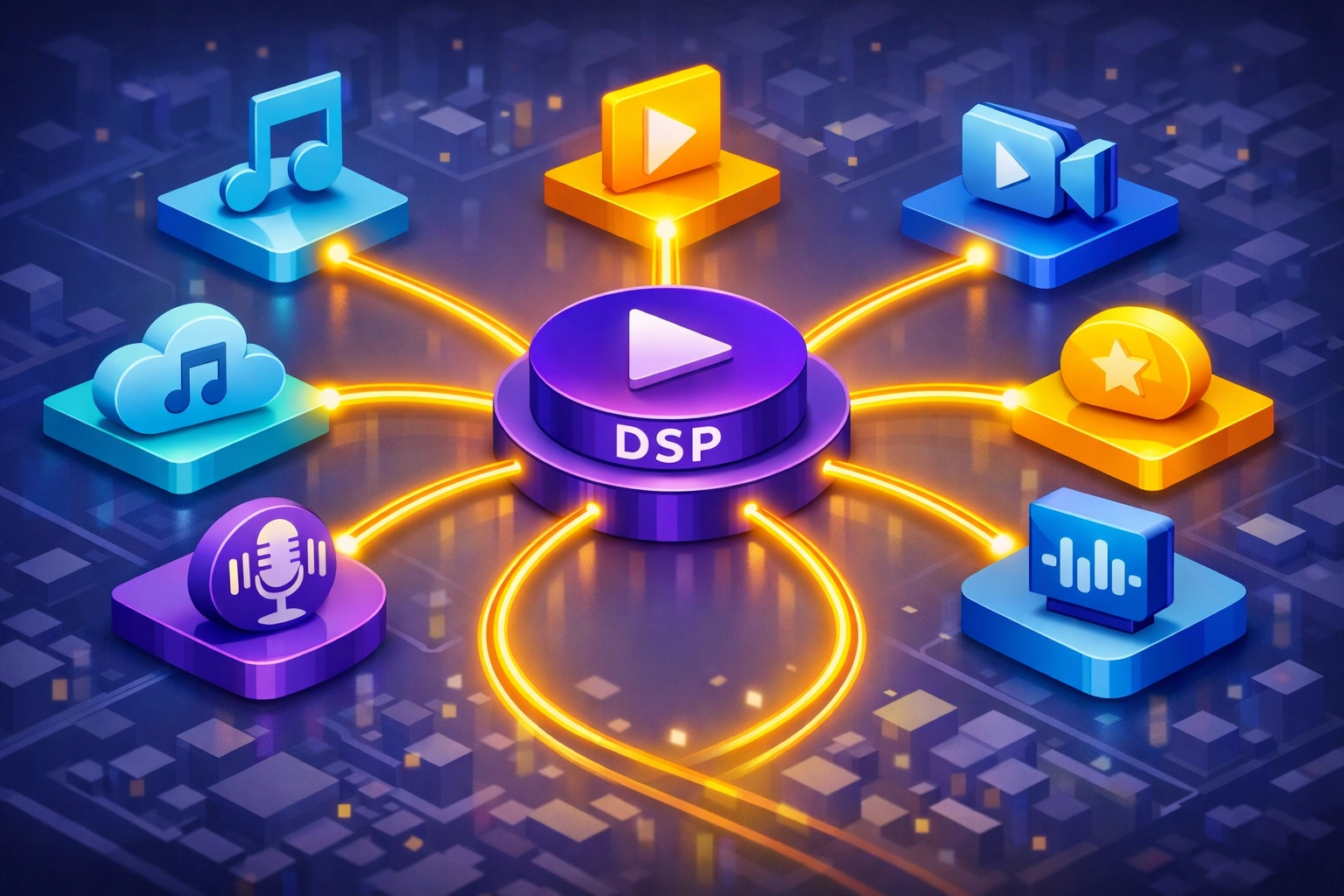
Your audience watches streaming TV, but they're also scrolling social media, reading blogs, and listening to podcasts. The best self-serve DSPs let you run omnichannel campaigns that follow your audience across devices.
Platforms like Viant and StackAdapt are often mentioned here for multi-channel access.
Conquest DSP belongs in the same conversation—without the same friction.
You can run across CTV, mobile, and the open web, then let our proprietary AI optimization push budget where performance is strongest.
Conquest vs. the Giants: you don’t need a massive team to manage omnichannel complexity. You need a platform that makes it simple, fast, and measurable.
If you're buying CTV in isolation, you're leaving conversions on the table.
What Conquest DSP Brings to the Table
Here's the simple truth: Conquest DSP checks every non-negotiable above—without the enterprise baggage.
Built specifically for agencies and SMBs who've been shut out by the giants. No contracts. No commitments. Start with as little as $500.
We operate on a Meta-DSP architecture, which means you're buying media at near-wholesale rates. No reseller markups. No hidden margins. Just transparent pricing and premium inventory across major CTV environments.
You get real-time reporting. Full campaign transparency. One-click exports. And unique data partnerships with Tunnl and L2 —so you can run more specialized targeting (like advocacy audiences and granular behavioral audience data) than the standard providers everyone else uses.
Plus, you're not a ticket number here. You get boutique-level support whether you're spending $500 or $500,000. Our team walks you through onboarding, campaign setup, and optimization—because your success is our success.
And here’s the kicker: we support sensitive and regulated verticals like Cannabis, CBD, Alcohol, Banking/Finance, Legal, Crypto, and Political. If you've been ghosted by other platforms, we’re the one built to help you scale.
Ready to Take Control of Your CTV Campaigns?
Choosing the right self-serve DSP isn't about finding the biggest name. It's about finding the platform that gives you control, transparency, and pricing that actually makes sense.
No contracts. No minimums you can't hit. No support teams that disappear after the sale.
If you're ready to run CTV campaigns the right way, get started with Conquest DSP today. Launch your first campaign in minutes and see what real transparency looks like.
Conquest DSP Blog